Not all NDC candidates can win 2028 election – Mussa Dankwah
Political risk analyst Mussa Dankwah has said it is “absolutely not true” that any candidate from Ghana’s opposition National Democratic Congress (NDC) can win the 2028 election, warning that internal party processes will ultimately determine who is electable. “It is absolutely not true any NDC candidate can win the 20...
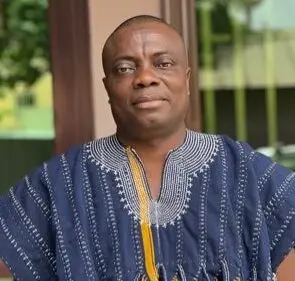
Political risk analyst Mussa Dankwah has said it is “absolutely not true” that any candidate from Ghana’s opposition National Democratic Congress (NDC) can win the 2028 election, warning that internal party processes will ultimately determine who is electable.
“It is absolutely not true any NDC candidate can win the 2028 election. It is also not true NDC delegates will elect a candidate that does not have a good chance of winning the election,” Dankwah said in a Facebook post on Sunday (24 May).
The comments come amid rising internal tensions within the NDC, which analysts say are being shaped by early positioning for the party’s next presidential flagbearer contest.
Dankwah, Executive Director of Global InfoAnalytics, has previously argued on ChannelOne TV that current developments within the party, including leadership debates and public commentary by senior figures, are increasingly being interpreted through the lens of succession politics.
He linked the ongoing discourse to earlier internal decisions, including the controversial 2023 parliamentary leadership reshuffle that replaced Haruna Iddrisu as Minority Leader with Dr Cassiel Ato Forson.
“Yes, I think so. Everything that is happening in the political space with NDC is geared towards 2027 NDC race or whether 2028, I don’t know when it will happen at all,” he was quoted as saying.
“There has been an undercurrent about why Haruna was replaced in 2023 and they can’t wash that issue away,” he noted.
According to him, the issue continues to influence internal discussions and has not been fully resolved within the party, contributing to political undercurrents ahead of future elections.
Dankwah also maintained that broader national conditions, rather than internal party arrangements, remain the decisive factor in Ghanaian elections. He cited issues such as the economy, unemployment, education, corruption and infrastructure as key voter concerns.
“In 2024 it was President Mahama and Bawumia and the rest who were on the ballot. Those were the issues Ghanaians took into account,” he stated.
He further noted that while internal party strategy plays a role in electoral preparation, it is often overstated in explaining election outcomes.