“Even workers can be treated as illegal migrants” — Gabby Otchere-Darko on Africa’s fragmented mobility systems
Ghanaian lawyer and Africa Prosperity Network executive chairman Gabby Asare Otchere-Darko has raised concerns over fragmented migration regimes across Africa, arguing that inconsistent legal frameworks are undermining the continent’s integration agenda. Speaking during an African Union Day webinar hosted by the Africa...
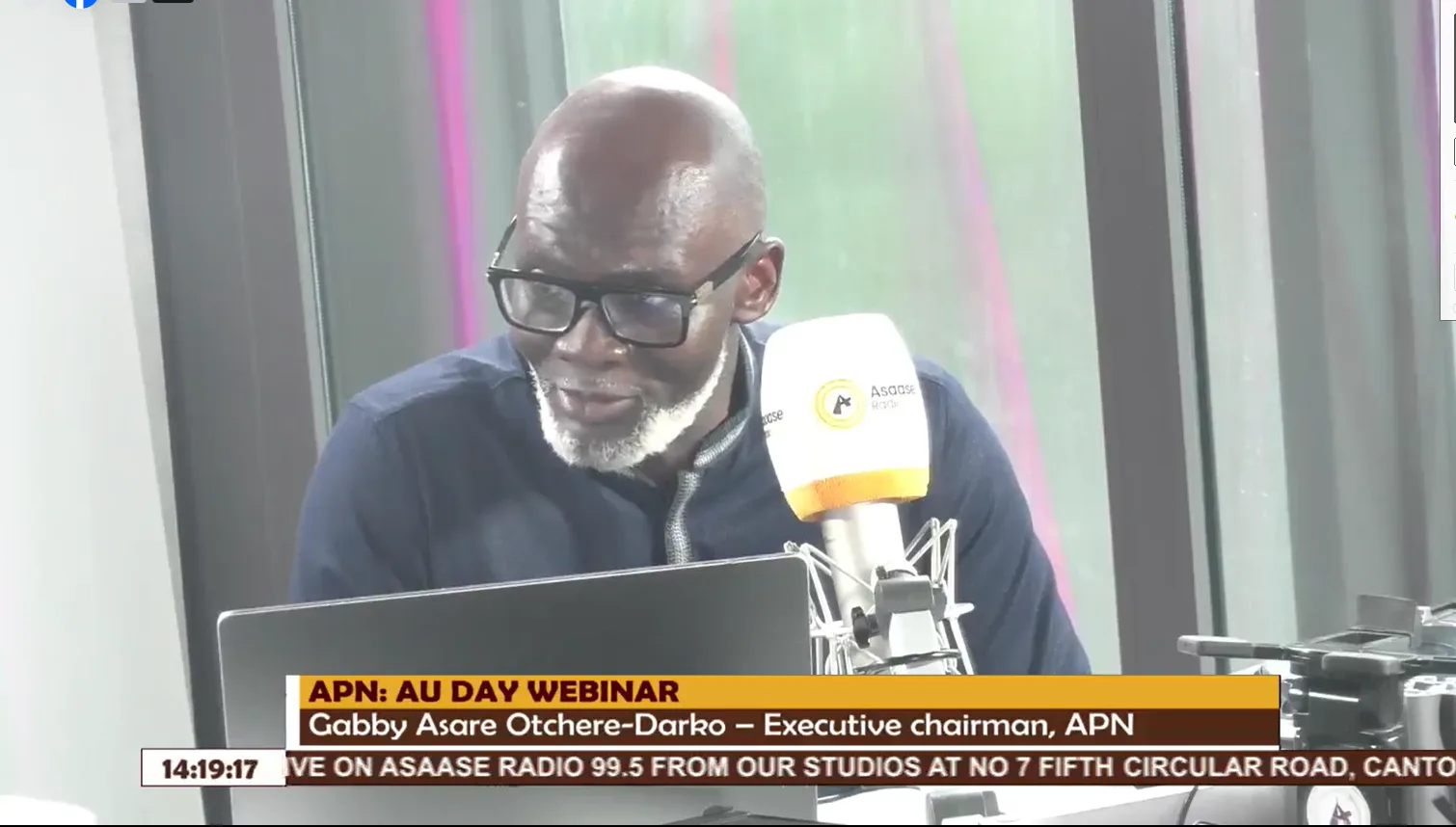
Ghanaian lawyer and Africa Prosperity Network executive chairman Gabby Asare Otchere-Darko has raised concerns over fragmented migration regimes across Africa, arguing that inconsistent legal frameworks are undermining the continent’s integration agenda.
Speaking during an African Union Day webinar hosted by the Africa Prosperity Network on Monday (25 May), Otchere-Darko pointed to South Africa’s immigration system as an example of how legal status complexities can affect even employed migrants.
“In South Africa, even if you have a job, you are still considered an illegal immigrant unless you go through a legal process,” he said, stressing that compliance procedures often determine residency status rather than employment alone.
He said the situation is particularly significant given the large presence of Zimbabwean migrants in South Africa’s labour market.
“Essentially, you cannot undervalue the contribution of Zimbabweans to the workforce, to the South African economy,” he said.
Otchere-Darko argued that such realities highlight the need for regional blocs, particularly the Southern African Development Community (SADC), to strengthen free movement frameworks similar to those in other parts of the continent.
“If SADC hasn’t taken the steps that it should have, those are the things they should be looking at,” he said, adding that South Africa, as a regional economic powerhouse, has a responsibility to lead reforms.
He noted that South Africa stands to gain significantly from deeper regional integration due to its relatively advanced industrial base and manufacturing capacity.
“Because of South Africa’s relative strength in industrialisation… it benefits more than a lot of other African countries through integration in a single market,” he said.
Otchere-Darko further explained that the absence of comprehensive multilateral mobility agreements in SADC contrasts with other African regions where freer movement arrangements are more developed.
He said that in the absence of such frameworks, migrants from neighbouring countries can easily become “illegal” under domestic law unless they regularise their status through formal processes.
He contrasted this with other regional arrangements on the continent that have moved further toward free movement protocols, arguing that Africa’s integration challenge is uneven across subregions.
Otchere-Darko urged policymakers to address these inconsistencies as part of broader efforts to build a functioning continental single market.