Josephine Otchere-Darko: Xenophobia narratives don’t reflect everyday South Africa, says Ghanaian professional
Ghanaian-born, South Africa-based professional Josephine Otchere-Darko has said international portrayals of xenophobia in South Africa do not fully reflect her lived experience, arguing that most ordinary citizens are not driven by discrimination. She made the remarks during the Africa Prosperity Network (APN) webinar...
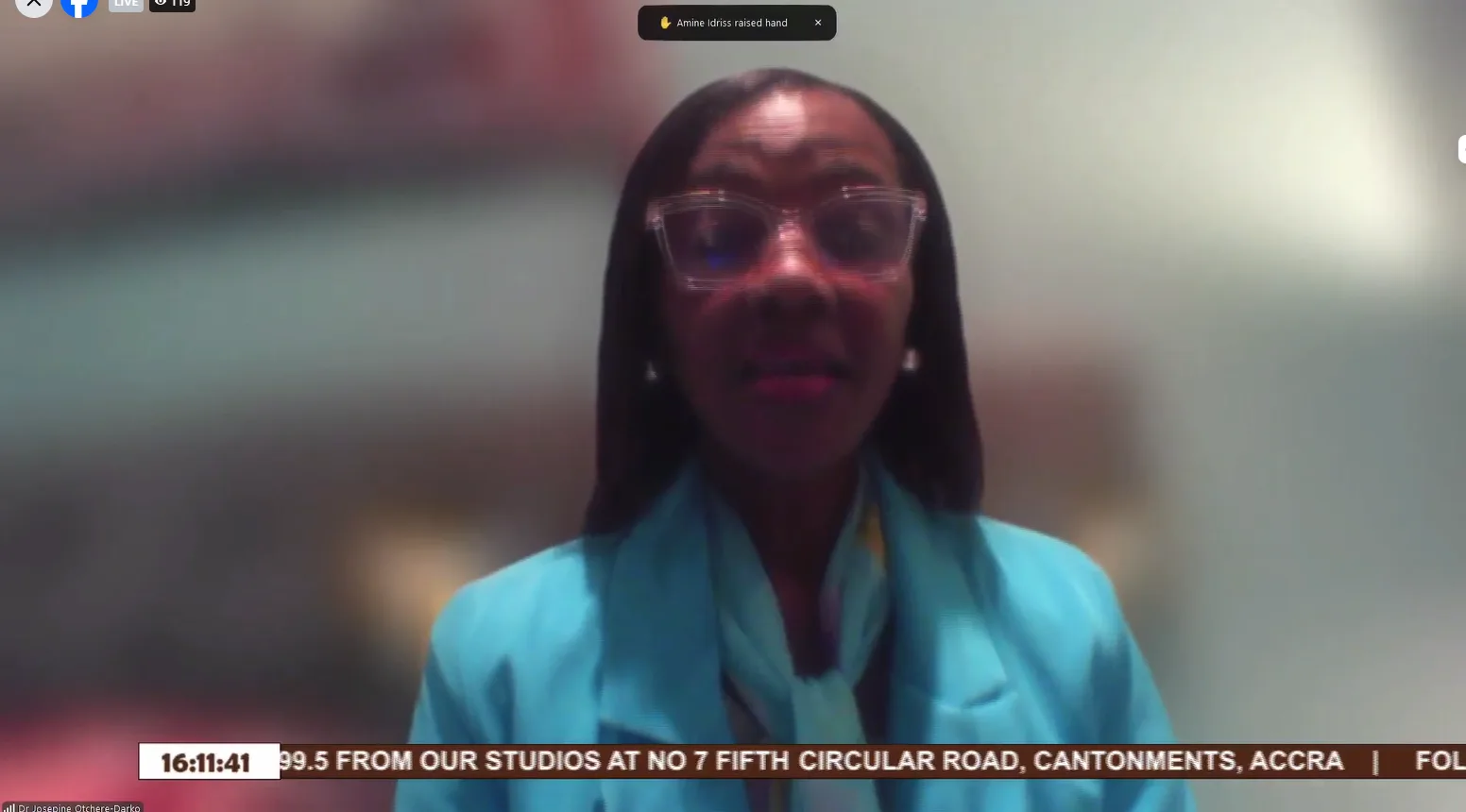
Ghanaian-born, South Africa-based professional Josephine Otchere-Darko has said international portrayals of xenophobia in South Africa do not fully reflect her lived experience, arguing that most ordinary citizens are not driven by discrimination.
She made the remarks during the Africa Prosperity Network (APN) webinar held on Monday (25 May), which focused on visa-free movement and broader African integration.
Responding to a question on whether global media narratives about South Africa match her own experience, Otchere-Darko said the reality is more complex than often presented.
“Do you think it reflects the South Africa you know? The answer is no,” she said.
She noted that while incidents of xenophobia and discrimination exist, they are often shaped by broader socio-economic pressures rather than inherent hostility among South Africans.
“I would say the average South African does not necessarily have xenophobia at heart or discrimination at heart,” she said, adding that difficult circumstances can sometimes drive tensions in certain communities.
Otchere-Darko cautioned against generalising isolated incidents, stressing that structural challenges such as unemployment, inequality, and service delivery pressures often underpin social tensions involving foreign nationals.
She argued that public conversations on migration and xenophobia should be grounded in deeper contextual analysis to avoid oversimplification of complex social realities.
According to her, dialogue platforms such as the APN webinar play a critical role in unpacking the root causes of tension and misunderstanding across African societies.
“These kinds of platforms bring to light what some of the circumstances are so that we are able to see the root causes or the situation that everybody is finding themselves in,” she said.
She added that better understanding of these underlying factors is necessary to design more effective policy responses and promote peaceful coexistence between nationals and foreign residents.
Otchere-Darko concluded that while challenges exist, they should be addressed through informed dialogue rather than broad generalisations about entire populations.