Ghana unveils 2026 prayer day with focus on moral renewal: “This country must be built in hearts first” — Afriyie Ankrah
Ghana has officially launched the 2026 National Day of Prayer and Thanksgiving, with government and religious leaders urging citizens to embrace moral renewal as a foundation for national development. Speaking at the media launch in Accra on Tuesday (2 June), Presidential Envoy for Interfaith and Ecumenical Relations,...
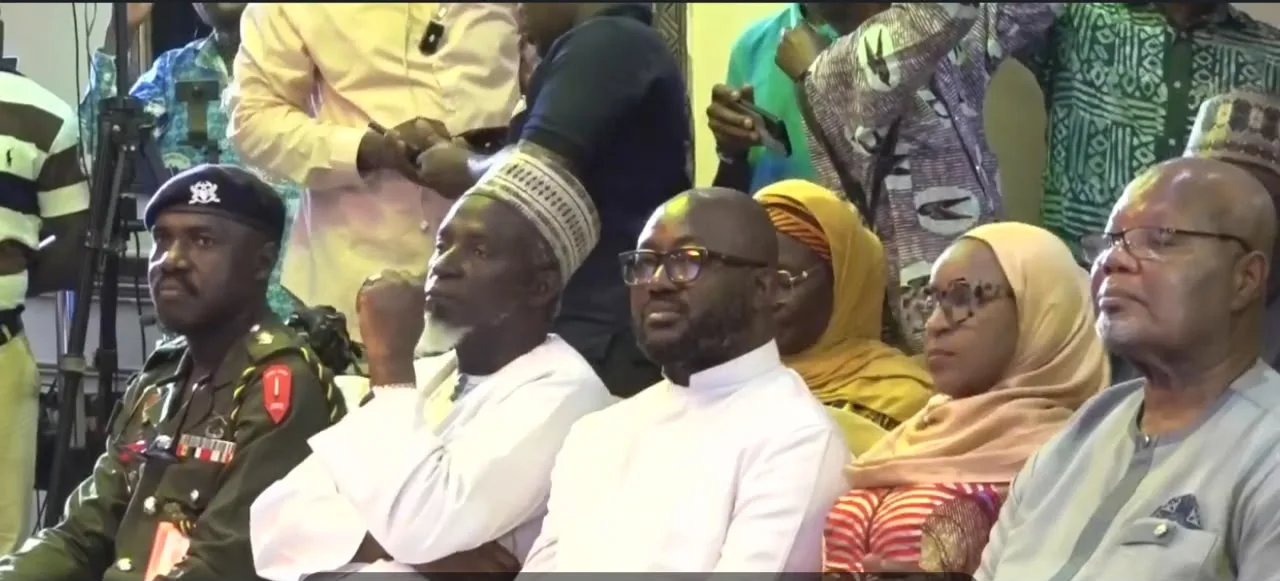
Ghana has officially launched the 2026 National Day of Prayer and Thanksgiving, with government and religious leaders urging citizens to embrace moral renewal as a foundation for national development.
Speaking at the media launch in Accra on Tuesday (2 June), Presidential Envoy for Interfaith and Ecumenical Relations, Elvis Afriyie Ankrah, described the initiative as a unifying national platform that transcends political, ethnic and religious divisions.
“The National Day of Prayer and Thanksgiving is more than an event. It is a call to pause… and reflect on God’s goodness to our nation,” he said, highlighting Ghana’s peace and coexistence as a “blessing” that must be sustained.
The annual observance, introduced last year under President John Dramani Mahama, will be held in July across all 16 regions, bringing together Christians, Muslims, traditional authorities and civil society in a coordinated expression of gratitude and reflection.
Afriyie Ankrah said the success of the maiden edition demonstrated a shared national aspiration for unity and progress, noting that “regardless of our political affiliations… Ghanaians share a common desire to see our nation prosper.”
This year’s theme, “Resetting Our Values to Build the Ghana We Want,” reflects growing concerns about integrity, accountability and civic responsibility.
“The Ghana we desire cannot be built solely through infrastructure… or economic reforms,” he said. “It must first be built in the hearts and minds of Ghanaians.”
He framed the initiative as part of a broader vision to strengthen Ghana’s moral and spiritual foundations alongside economic and political development, stressing that national transformation begins with individual conduct.
Echoing this message, Cyril Fayose, speaking on behalf of Ghana’s ecumenical bodies and broader faith community, pledged full support for the observance and described thanksgiving as “a national virtue.”
“Nations, like individuals, thrive when they acknowledge the source of their blessings,” Fayose said. “Despite the challenges we have faced, God has been gracious to Ghana — preserving our peace, strengthening our democracy and sustaining our hope.”
Fayose said the initiative provides a platform not only for prayer but also for reconciliation and renewed commitment to nation-building, adding that Ghana’s challenges are “not only economic or political, but also moral and ethical.”
He urged citizens to embrace core values such as integrity, discipline, patriotism and respect for human dignity, warning that the country’s future would depend as much on values as on policy decisions.
“The theme challenges leaders and citizens alike to examine our attitudes, conduct and priorities,” he said.
Organisers said the 2026 observance will deepen interfaith collaboration and national cohesion, with participation expected across all regions through in-person gatherings and media broadcasts.
They also called on the media, corporate organisations and civil society to amplify the initiative, stressing that its success depends on broad national ownership.
Religious leaders further expressed hope that the event could evolve into a permanent national tradition, similar to thanksgiving observances in other countries.
“As we gather to pray for Ghana, we must also commit ourselves to becoming the kind of citizens capable of building the Ghana we desire,” Rev Father Michael Quaicoo said.
The launch concluded with an appeal for nationwide participation, positioning the event as both a spiritual exercise and a civic call to action aimed at shaping Ghana’s future.