Curaçao’s World Cup miracle: How a Caribbean Island of 156,000 reached football’s biggest stage
The story of Curaçao’s qualification for the 2026 FIFA World Cup is one of the most remarkable achievements in football history. With a population of just 156,000 people and a land area of only 444 square kilometres, Curaçao is set to become the smallest country ever, by both population and size, to qualify for a FIFA...
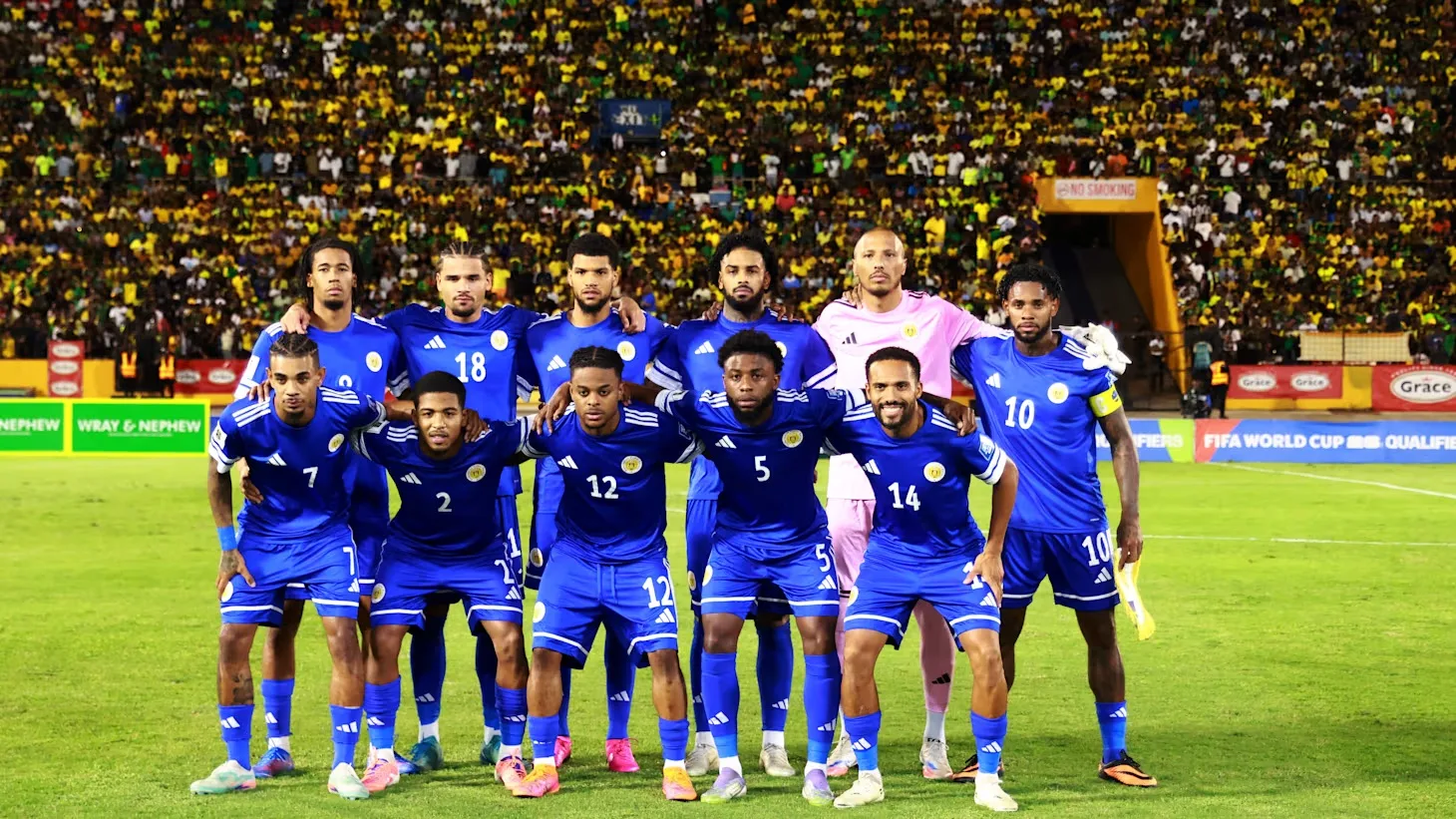
The story of Curaçao’s qualification for the 2026 FIFA World Cup is one of the most remarkable achievements in football history.
With a population of just 156,000 people and a land area of only 444 square kilometres, Curaçao is set to become the smallest country ever, by both population and size, to qualify for a FIFA World Cup.
Yet behind this fairy-tale success lies a unique historical and political connection to the Netherlands that has allowed the Caribbean nation to build a team unlike any other at the tournament.
A team built almost entirely in the Netherlands
Perhaps the most extraordinary aspect of Curaçao’s World Cup squad is that virtually the entire team was born and developed abroad.
Of the 26 players selected for the tournament, 25 were born and raised in the Netherlands. The only exception is midfielder Tahith Chong, who was born in Curaçao but moved to the Netherlands at the age of 10 to pursue his football development.
As a result, the team that will represent the Caribbean island is largely a product of Dutch football culture, coaching and academy systems.
The Dutch connection
Curaçao’s unique status within the Kingdom of the Netherlands provides the foundation for this success.
As an autonomous country within the kingdom, Curaçaoans automatically hold Dutch citizenship and travel on Dutch passports.
This arrangement also creates a significant footballing advantage. Under FIFA eligibility rules, Dutch-born players with parents or grandparents from Curaçao are able to represent the island nation without undergoing any naturalisation process.
The result is a talent pool that extends far beyond the island itself, reaching deep into the Netherlands’ large Curaçaoan diaspora.
Benefiting from elite European development
Unlike most small nations that must rely primarily on local player development, Curaçao has effectively tapped into one of Europe’s most sophisticated football ecosystems.
Many of its players emerged from the renowned youth academies of Dutch football giants such as AFC Ajax, PSV Eindhoven and Feyenoord.
These academies are famous for producing technically gifted footballers steeped in the tactical principles of Dutch football, including the traditions of “Total Football” that have influenced the global game for decades.
The consequence is a national team possessing a level of technical and tactical sophistication rarely associated with a nation of its size.
The Kluivert revolution
The foundations for Curaçao’s rise were laid more than a decade ago.
In 2015, Dutch football legend Patrick Kluivert launched an ambitious effort to recruit Dutch-based players with Curaçaoan heritage.
His strategy transformed the national team from a modest Caribbean competitor into a regional force, culminating in success in Caribbean football and dramatically raising the country’s international profile.
The project demonstrated how a small nation could leverage its diaspora to compete with countries many times its size.
Enter “The Little General”
The final step in the journey came under the leadership of veteran Dutch coach Dick Advocaat.
Known throughout football as “The Little General,” Advocaat brought decades of international experience to the role and guided Curaçao through the final stages of qualification.
At 78 years old, he will become the oldest head coach in FIFA World Cup history, adding another remarkable chapter to an already extraordinary story.
A modern football miracle
Curaçao’s achievement challenges traditional assumptions about what is possible in international football.
While many nations rely on large populations and extensive domestic leagues, Curaçao has successfully combined diaspora recruitment, Dutch citizenship links, elite European football education and experienced leadership into a model capable of reaching the sport’s grandest stage.
For a Caribbean island with fewer people than many towns, qualifying for the World Cup is more than a sporting success. It is a demonstration of how history, migration and identity can combine to produce one of football’s most unlikely stories.
When the 2026 FIFA World Cup kicks off, Curaçao will not simply be representing a small island nation. It will be showcasing one of the most unique football development models the world has ever seen.