Ghana’s roads fall to E1 in latest infrastructure report
Ghana’s road infrastructure has suffered a significant decline over the past decade, with mounting contractor arrears, overloaded heavy vehicles and poor maintenance emerging as key factors behind the deterioration. Speaking on the Asaase Breakfast Show on Wednesday (15 July), Vice-President of the Ghana Institution of...
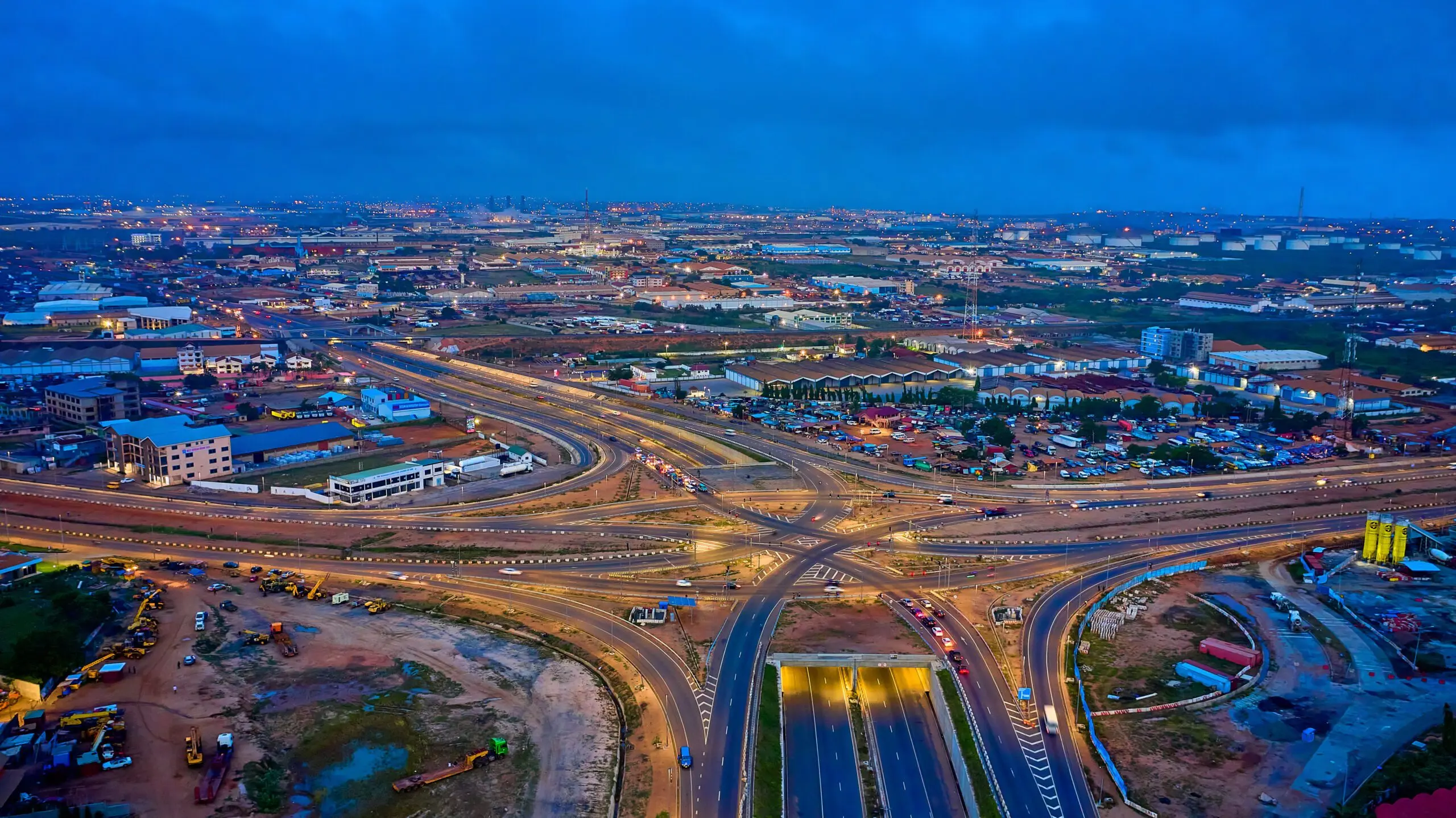
Ghana’s road infrastructure has suffered a significant decline over the past decade, with mounting contractor arrears, overloaded heavy vehicles and poor maintenance emerging as key factors behind the deterioration.
Speaking on the Asaase Breakfast Show on Wednesday (15 July), Vice-President of the Ghana Institution of Engineering, Dr Patrick Amoah Bekoe, said the road sector dropped from D3 in 2016 to E1 in the 2026 Ghana Infrastructure Report Card.
“The road sector is facing a mix of challenges,” he said.
According to Dr Bekoe, contractor arrears had increased substantially by the end of 2024, slowing road construction and rehabilitation projects across the country.
“When you have high contractor arrears, naturally contractors are not working.”
The report also found that axle overloading had risen by about 5.7%, accelerating the deterioration of highways and trunk roads.
“We need axle-load enforcement. It is something we need to work on as a nation.”
Another major concern identified was congestion within urban road networks, alongside worsening road safety.
“Public safety is one of the lowest-scoring indicators. Too many people are dying on our roads.”
Only about 27% of Ghana’s road network is paved, leaving roughly 73% unpaved and affecting travel time, economic productivity and access to essential services.
Dr Bekoe said deferred maintenance significantly increases rehabilitation costs.
“For every deferred maintenance, the rate of deterioration is about seven to eight times.”
He called for innovative financing, stronger asset management and sustained maintenance rather than concentrating solely on constructing new roads.