HR Network Africa launches push for competence over credentials at HR Connect 2026
The Founder and Executive Director of HR Network Africa, Cynthia Mawulawoe Kodowu, has called on human resource professionals to move beyond collecting professional certifications and instead develop the competence needed to influence strategic business decisions. Speaking on the Asaase Breakfast Show on Wednesday (29...
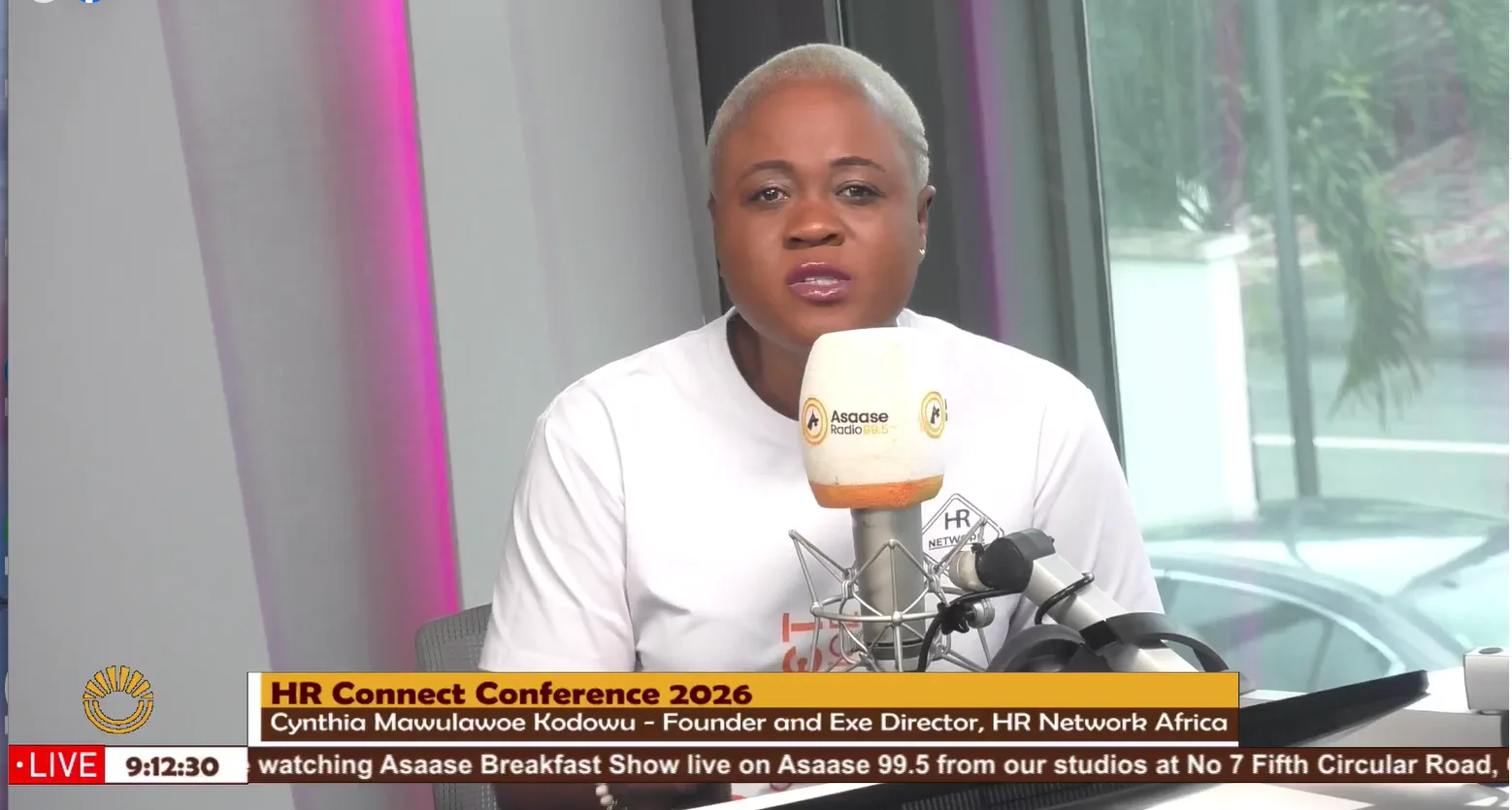
The Founder and Executive Director of HR Network Africa, Cynthia Mawulawoe Kodowu, has called on human resource professionals to move beyond collecting professional certifications and instead develop the competence needed to influence strategic business decisions.
Speaking on theAsaase Breakfast Show on Wednesday (29 July) ahead of the HR Connect Conference 2026, Kodowu said while certifications remain important, organisations are increasingly looking for HR professionals who can solve business problems and contribute meaningfully at the executive level.
“Our theme this year is From Certification to Competence because HR needs to be that elevator that makes sure businesses can grow,” she said.
Kodowu explained that the conference theme was informed by feedback from chief executives, many of whom say some HR professionals possess globally recognised credentials but lack the practical expertise required in boardroom discussions.
“Some CEOs have told us that individuals come into the business with SPHRI, CIPD and every qualification you can think of, but when they are asked to contribute at the table, they are extremely shallow,” she said.
According to her, HR professionals must shift their focus from merely obtaining certificates to building the knowledge, confidence and strategic thinking needed to drive organisational performance.
“When you have competence, then you can demonstrate capability. We don’t want to cry; we want to prepare ourselves, build substance and deliver,” she added.
Kodowu said HR has evolved from a largely administrative function into a strategic business partner but noted that many practitioners are still struggling with that transition.
She attributed the challenge to an identity crisis within the profession, where some practitioners continue to view themselves primarily as administrators rather than business leaders.
“HR has evolved over the years. We’ve moved away from being administrators and pushing paper to making sure we’re part of business decisions,” she said.
As part of efforts to bridge the skills gap, she said this year’s HR Connect Conference will feature practical masterclasses on executive presence, compensation management, performance management, workplace psychological safety and investment planning.
More than 20 chief executives are also expected to participate in the conference to share their expectations of HR leaders and discuss how the profession can better support business growth.
Kodowu said Africa has an opportunity to develop its own human resource leadership model instead of relying solely on global frameworks.
“Africa can perfectly develop its own model. What works in Europe doesn’t necessarily work here,” she said.
The two-day HR Connect Conference 2026 will take place at the Labadi Beach Hotel, bringing together HR practitioners, business leaders and industry experts from across Africa to discuss the future of people management and organisational leadership.