MoTAI pushes new industrial policies to drive local production and jobs
Ghana’s industrialisation agenda is being given a fresh policy push, with the Ministry of Trade, Agribusiness and Industry (MoTAI) using the 2026 Civil Service Policy and Exhibition Fair to highlight four cabinet-approved policies targeting key productive sectors. The policies cover strategic areas of the economy, incl...
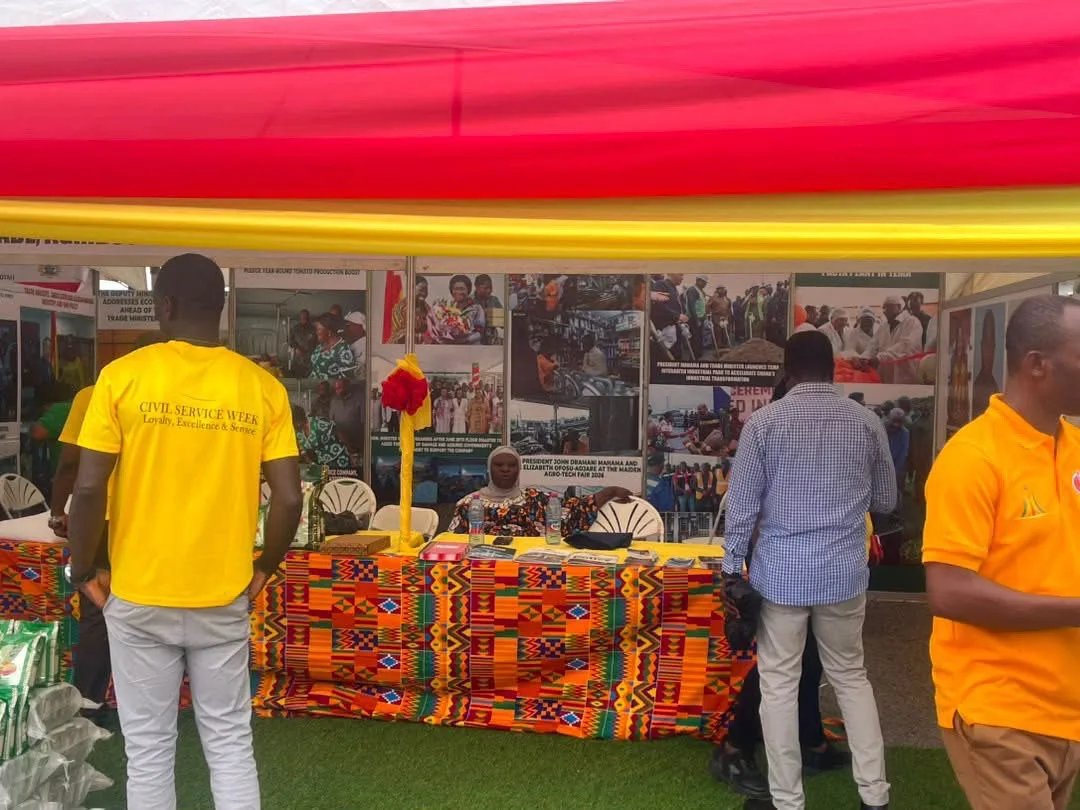
Ghana’s industrialisation agenda is being given a fresh policy push, with the Ministry of Trade, Agribusiness and Industry (MoTAI) using the 2026 Civil Service Policy and Exhibition Fair to highlight four cabinet-approved policies targeting key productive sectors.
The policies cover strategic areas of the economy, including pharmaceuticals, textiles and garments and automotive manufacturing, with the ministry positioning them as tools to strengthen local production, create jobs and support economic growth.
MoTAI showcased the policies during the four-day fair organised by the office of the head of the Civil Service at the Accra Sports Stadium from 10-13 August, 2026.
The event brought together government institutions and private sector organisations to engage the public on policies and programmes with implications for Ghana’s economic development.
MoTAI’s exhibition focused on communicating how its policy interventions are expected to support industrial activity and expand opportunities within the local economy.
Officials also used the platform to explain the Ministry’s mandate and the potential impact of the new policies on businesses and the broader economy.
The head of the Civil Service, Dr Evans Aggrey-Darkoh, commended MoTAI’s presentation after visiting its exhibition alongside the Ministry’s Chief Director, Noah Tumfo.
The ministry also participated in a cooking competition held as part of the fair’s activities.
MoTAI says its participation forms part of efforts to improve public understanding of government policies while strengthening engagement with stakeholders on Ghana’s industrial transformation agenda.
The focus on pharmaceuticals, textiles and garments and automotive manufacturing comes as Ghana seeks to build stronger domestic production capacity and create more value within the economy.