Government clears $1.47bn energy sector legacy debt – Jinapor
The government has paid off about US$1.47 billion in legacy debts owed within Ghana’s energy sector as part of efforts to restore financial stability and improve the sustainability of the industry. Minister for Energy and Green Transition, Dr John Abdulai Jinapor, said the government had also cut expenditure by approxi...
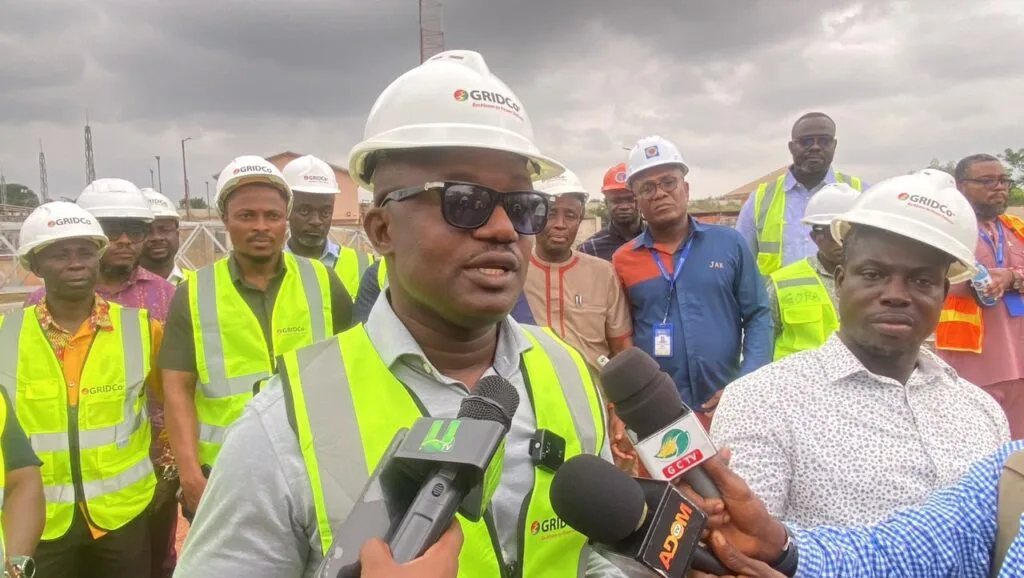
The government has paid off about US$1.47 billion in legacy debts owed within Ghana’s energy sector as part of efforts to restore financial stability and improve the sustainability of the industry.
Minister for Energy and Green Transition, Dr John Abdulai Jinapor, said the government had also cut expenditure by approximately US$500 million by increasing the use of natural gas for power generation instead of the more expensive liquid fuels.
He disclosed this at a press briefing on Thursday, August 20, 2026, while outlining measures taken by the government to address financial challenges confronting the energy sector.
According to Dr Jinapor, reforms to the Cash Waterfall Mechanism have significantly improved the flow of funds to Independent Power Producers (IPPs), while negotiations with the companies have generated further savings of about US$250 million.
He said monthly payments declared into the Cash Waterfall had increased from about GH¢6 billion to nearly GH¢15 billion, allowing most IPPs to receive close to 100 percent of their invoices.
“Before we came to office, just about 6 billion was declared monthly into the Cash Waterfall. IPPs were receiving just about 42%. Because of the work we did together and the policy reforms that we implemented, today we declare close to 15 billion every month into the Cash Waterfall mechanism and almost all the IPPs receive about 100% of the invoice bills,” he said.
Dr Jinapor said the improved payment system had helped prevent the accumulation of fresh arrears, noting that the energy sector’s outstanding debt was around GH¢80 billion when the government took office.
He added that negotiations with IPPs had further reduced the financial burden on the state by approximately US$250 million.
“We have also negotiated with the IPPs, and we have saved about $250 million again from them. So clearly we are making significant progress,” he said.
The Minister said the combination of debt repayment, improved revenue distribution, greater reliance on natural gas and negotiations with power producers was helping to bring the energy sector onto a more stable financial footing.
He said government would continue with the reforms to lower the cost of electricity generation and prevent the recurrence of the financial challenges that have historically affected the sector.
All 23 banks now fully capitalised – BoG Governor
GIPA, GUTA outline roadmap to protect informal retail space for Ghanaians