GHC1 Energy Sector Levy is not the cause of fuel hikes – COMAC CEO
The Chief Executive Officer of the Chamber of Oil Marketing Companies (COMAC), Dr Riverson Oppong, has attributed the recent increases in fuel prices at the pumps to global market pressures rather than new government taxes or policy changes. Speaking on the Asaase Breakfast Show on Tuesday (28 July), Dr Oppong said dis...
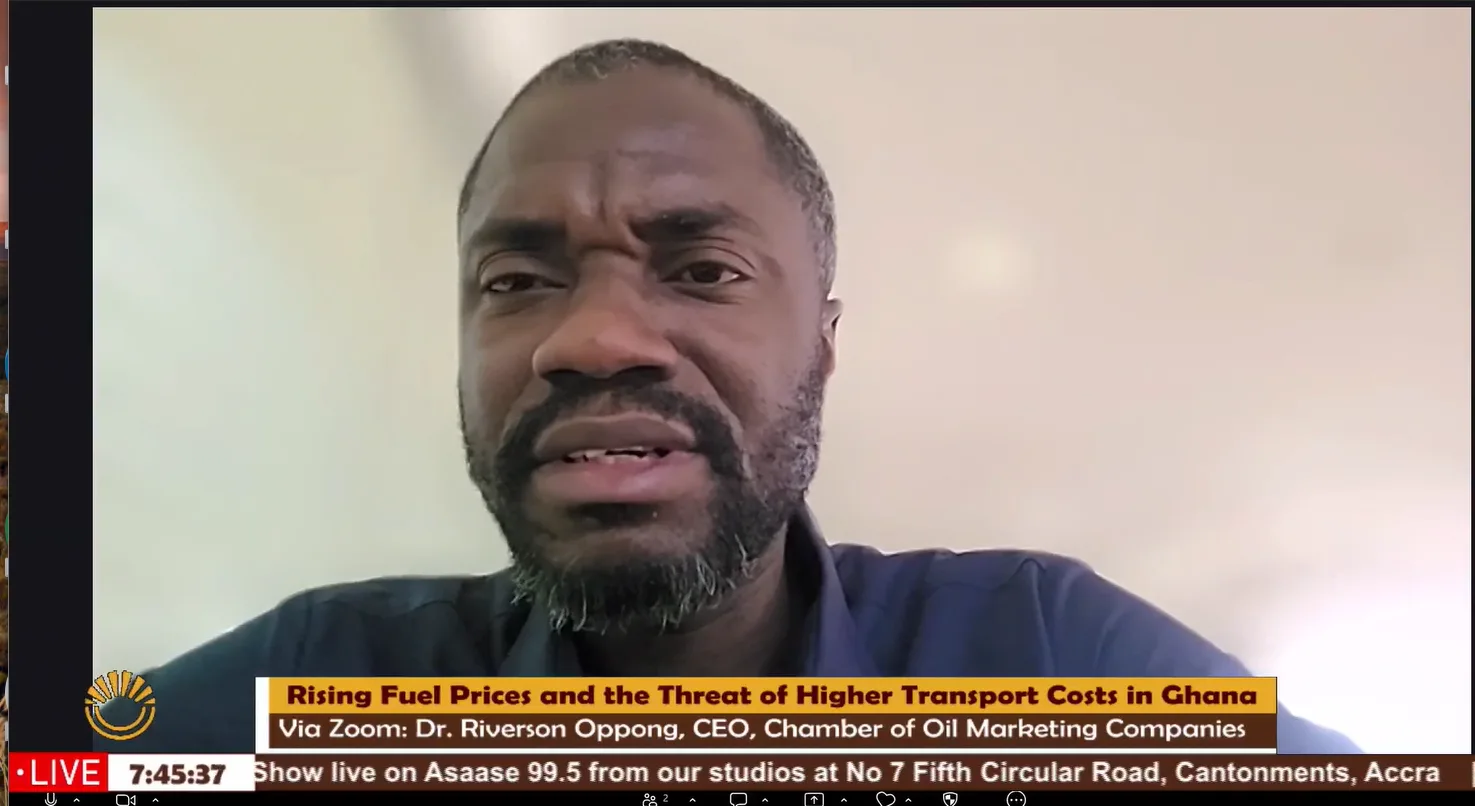
The Chief Executive Officer of the Chamber of Oil Marketing Companies (COMAC), Dr Riverson Oppong, has attributed the recent increases in fuel prices at the pumps to global market pressures rather than new government taxes or policy changes.
Speaking on the Asaase Breakfast Show on Tuesday (28 July), Dr Oppong said disruptions in the international oil market, particularly tensions in the Middle East, had pushed up benchmark prices and increased the cost of petroleum products.
He explained that the recent tensions involving the United States and Iran had affected shipping activities through the Strait of Hormuz, a key route for global oil transportation.
“We are all aware of what is happening in the Middle East right now. The no deal between Trump and Iran has caused the Strait of Hormuz distortion again,” he said.
According to him, oil producers in the region have products ready for export but are unable to move some vessels due to security concerns and disruptions along the route.
He said global benchmark prices, including Brent crude and other international indicators used in petroleum pricing, had risen significantly within a short period, affecting fuel prices in Ghana.
Dr Oppong dismissed claims that new taxes or levies were responsible for the current increases, saying the only additional charge introduced in recent years was the additional GH¢1 Energy Sector Levy component.
“There’s no other policy to increase any levy anywhere. It is basically because of the international market prices,” he said.
He explained that Ghana’s deregulated petroleum pricing system means oil marketing companies adjust pump prices based on the cost at which products are purchased.
“When the oil marketing companies are getting an increase in price, that is what we transfer to consumers within the window,” he said.
Dr Oppong also clarified that the GH¢1 Energy Sector Levy was added to an existing levy structure and was not the entire levy itself.
He said the government had previously cushioned consumers by allowing operational margins within the industry to absorb some costs, rather than removing the levy.
“The cushion that you had was the operational margins in the industry that were taken out to bring diesel price down,” he said.
He argued that continuously relying on levies to address accumulated energy sector debts was not a sustainable solution.
“The solution is stopping those debts from accruing. Raising revenue through levies is not a solution to a continuous debt accruing problem,” he said.
Dr Oppong also cautioned that Ghana’s reliance on imported refined petroleum products leaves the country vulnerable to global market shocks.
He said local refining could improve supply security and reduce some costs associated with imports, but petroleum products would still be influenced by international crude prices.