Ghana’s accountability crisis: When political power blocks parliamentary oversight – Abednego writes
Ghana’s political class has increasingly become an obstacle to the nation’s progress, and the entrenched hypocrisy displayed by supporters of both the NDC and NPP only deepens the country’s democratic fatigue. Selective outrage, shifting principles, and the routine weaponisation of state institutions have created a pol...
Ghana’s political class has increasingly become an obstacle to the nation’s progress, and the entrenched hypocrisy displayed by supporters of both the NDC and NPP only deepens the country’s democratic fatigue. Selective outrage, shifting principles, and the routine weaponisation of state institutions have created a political culture in which accountability is treated as optional rather than essential.
In September 2019, the then Ranking Member on Parliament’s Health Committee, now the Health Minister, Kwabena Mintah Akandoh, led a team of NDC MPs to inspect several abandoned health facilities.
Their tour included the Kumawu District Hospital, the Tepa District Hospital, and the Fomena District Hospital, with MPs such as Charles Agbeve, Dr Kurt Nawaane, Dr Sebastian Sandaare, and Charles Hodogbey forming part of the delegation.
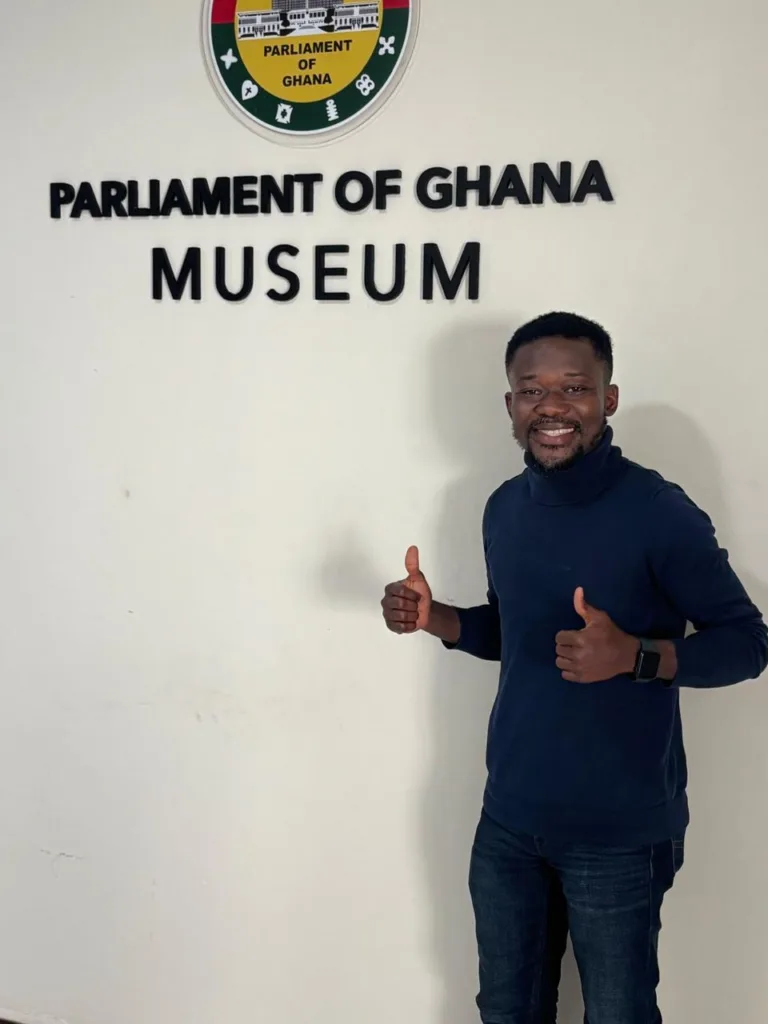
I was among the selected journalists from the Parliamentary Press Corps who accompanied the MPs on that tour. We moved freely. No military officer intervened. No police officer attempted to block access. No security barrier was erected. At no point was it suggested that parliamentary oversight posed a threat to national security. It was a straightforward exercise in democratic responsibility, precisely what Parliament is mandated to do.
That is why the chaos at the Afari Military Hospital in the Atwima Nwabiagya District is so troubling. Reports that Minority MPs on the Health Committee were obstructed by army officers when attempting to visit the facility raise serious concerns about transparency and the creeping politicisation of state institutions. If MPs could access health facilities without hindrance in 2019, why is the same exercise suddenly treated as a security breach in 2026?
The inconsistency is not accidental. It reflects a deeper national problem: a political class that shifts its principles depending on whether it sits on the government or opposition benches. When out of power, parties demand accountability and unfettered access. When in power, they restrict the very oversight they once championed. Their supporters then defend these contradictions with remarkable enthusiasm, further eroding the country’s democratic culture.
Ghana cannot continue on this path. A nation that obstructs its own legislators from performing constitutionally mandated oversight is a nation drifting away from accountability. Until citizens reject partisan hypocrisy and demand consistent standards from all political actors, Ghana’s progress will remain hostage to political convenience.